Woodbridge NJ Locksmith Service Team
Local locksmith team
Apr 29, 2026 11 min read

Most homeowners in Woodbridge Township don't think about their mortise lock until the moment it stops working — usually at the worst possible time. Whether you have a classic mortise lock set on a Victorian-era front door near Woodbridge Center or a modern upgrade on a newer Colonial off Route 9, these locks are built to last decades. But "built to last" doesn't mean "maintenance-free." Like any mechanical system, a mortise lock accumulates wear, and the warning signs almost always show up long before a full failure.
The good news: a failing mortise lock gives you time to act — if you know what to look for. This guide walks you through five real, recognizable signs that your lock is wearing out, what each one means mechanically, and how to stay ahead of a lockout before it happens. When you do need a professional, Woodbridge NJ Locksmith is a 24/7 mobile locksmith serving Woodbridge Township and the surrounding area. Call (732) 652-8002 any time — we come to you.
## What Is a Mortise Lock and Why Does It Wear Out?
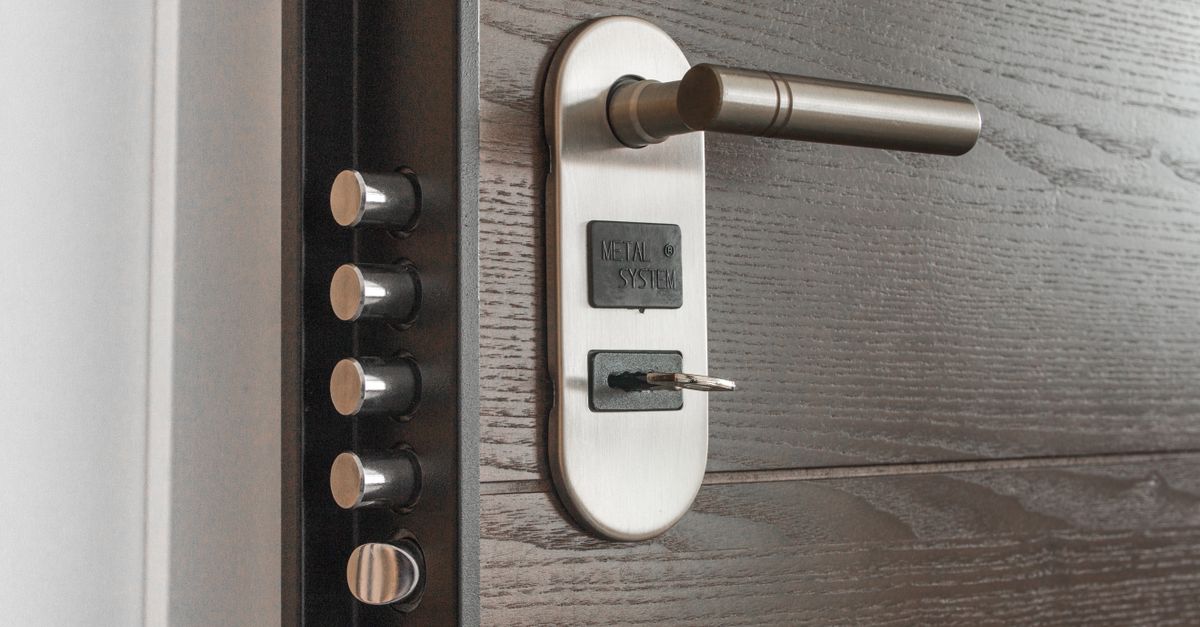
A mortise lock is a lock body that fits into a precisely cut rectangular pocket — the "mortise" — inside the edge of a door. Unlike a standard cylindrical lock (the kind with a knob that pops into a simple bored hole), a mortise lock set contains an entire mechanical assembly inside the door: a latch, a deadbolt, springs, levers, and cam mechanisms, all working together. This design makes them stronger and more versatile, and you'll find them on everything from older Woodbridge homes built in the 1920s and '30s along Freeman Street to high-end commercial storefronts along Main Street. Premium brands like Baldwin mortise locks and Corbin Russwin mortise locks are popular in this area for exactly that reason — they offer robust, long-service hardware.
The flip side of that complexity is that there are more moving parts to wear. Springs weaken, brass or steel cams develop play, and the mortise lock cylinder — the part that actually reads your key — accumulates debris and tolerance loss over years of daily use. A lock that turns a hundred thousand times over ten years is going to feel different than it did on day one. The question is whether you catch the drift before it becomes a dead stop.
## Sign #1: Your Key Requires Extra Force or Feels 'Sticky'
This is the earliest and most commonly ignored warning sign. If you've started applying noticeably more pressure to turn your key — pulling the door slightly toward you, pushing the key deeper, or jiggling before turning — the mortise lock cylinder is telling you something. The issue is usually one of three things: worn key cuts that no longer align cleanly with the pins, debris accumulation (dust, paint overspray, or old dried lubricant) inside the cylinder, or internal spring tension loss that lets the plug shift out of ideal alignment.
What to do right now: Try a graphite-based lubricant (not WD-40, which attracts grit) applied directly into the keyway. If the stiffness improves temporarily but returns within weeks, the problem is mechanical wear, not just dryness. Have a professional examine the cylinder before the key begins to damage the pins further. A worn mortise lock cylinder can often be re-keyed or replaced as a standalone component — far less costly than emergency service on a night you can't get inside.
## Sign #2: The Latch or Deadbolt Doesn't Fully Retract or Extend — Home Locksmith Alert
A healthy mortise lock set has a latch that snaps cleanly and a deadbolt that extends and retracts with smooth, definite travel. When you start noticing that the latch hesitates before catching the strike plate, or that the deadbolt requires two attempts to throw fully, you're looking at internal mechanism wear or a door alignment issue that's putting abnormal stress on the lock body.
Door alignment is particularly worth checking in Woodbridge Township, where older homes experience seasonal wood expansion and contraction from humid summers and cold winters along the Raritan Bay corridor. A door that swelled and then dried out repeatedly will shift in its frame over time, and the mortise lock takes the punishment. Visually inspect the strike plate: if you see a shiny drag mark significantly above or below center, the door has shifted. Left unaddressed, the latch will eventually fail to catch at all — and that's when a home locksmith call becomes urgent. Our mobile team serves Woodbridge homes 24/7; if you're noticing this now, call (732) 652-8002 and we can assess both the lock and the door alignment before it becomes a crisis.
## Sign #3: The Handle or Trim Feels Loose — What a Commercial Locksmith Sees Every Day
On a mortise lock set for an exterior door, the handles, knobs, or levers are connected to the internal lock body by a spindle that runs through the door. When you notice the handle has developed play — a slight rattle, a wobble before it engages, or a noticeable drop in one direction — it usually means the spindle connection or the internal cam is worn, or the mounting screws that hold the trim roses against the door face have backed out.
This sign is extremely common on commercial properties, and any experienced commercial locksmith will tell you it's the number-one deferred-maintenance issue they see on office and retail doors. But it happens in homes too, particularly on doors that get heavy daily use. A loose handle doesn't just feel wrong — it means the spindle isn't engaging the internal mechanism consistently, which can cause the latch to fail to retract when you need it to. Tighten visible trim screws first; if the wobble persists, the internal cam or spindle needs professional attention. Ignoring it long enough means the spindle eventually disengages entirely and the door becomes inoperable from one or both sides.
## Sign #4: Visible Rust, Scoring, or Key Damage
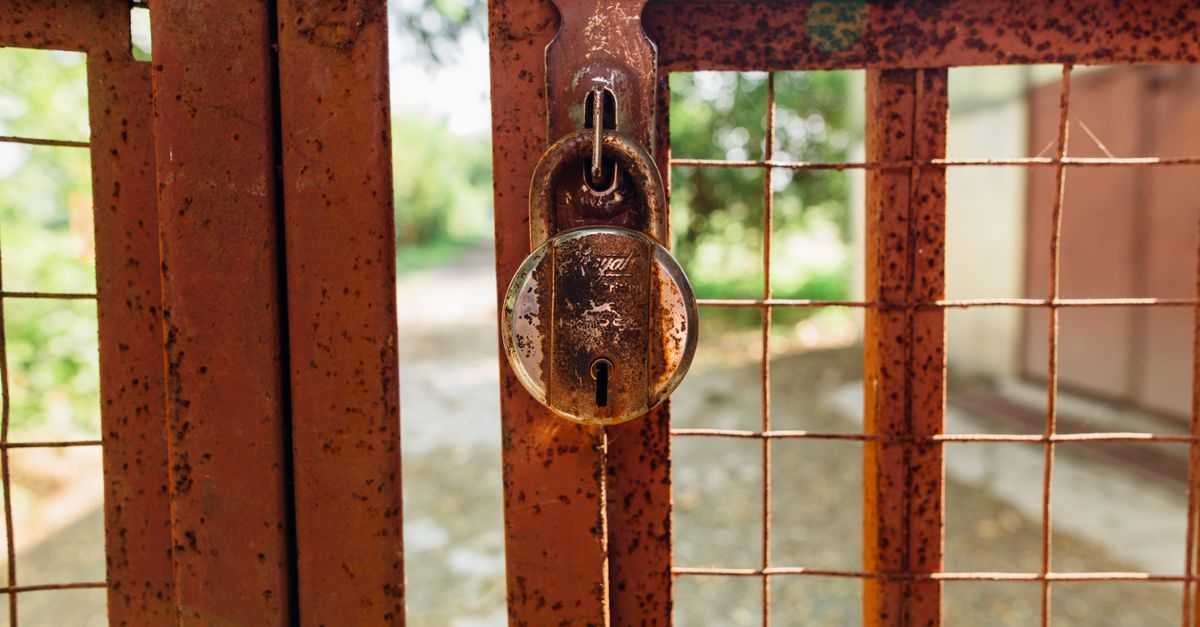
Open your front door and look at the edge — the lock face plate should be flush, unrusted, and clean. Rust or corrosion on the face plate is a surface indicator of what may be happening to the internal springs and cam surfaces. Mortise lock set exterior door installations are especially vulnerable to moisture intrusion on storm-exposed doors that face prevailing weather. Once internal springs begin to corrode, their tension becomes unpredictable — sometimes the latch springs back too slowly to catch, sometimes not at all.
Also look at your key itself. A key that's developing shiny wear spots along the cuts, or one that looks visibly bent from repeated force-entry, is evidence of cumulative cylinder damage. Every time you force a stiff key, microscopic debris from worn metal enters the cylinder. If you've recently had a key break off inside the lock — even partially — treat that as an urgent warning. A broken key extraction followed by a cylinder inspection is a straightforward job for our team; a lockout at midnight because the cylinder finally gave out is a much more stressful scenario. Smart mortise lock systems with electronic cylinders have their own version of this problem — error codes, slow response to credentials, or inconsistent keypad behavior all signal that the electronic module or backup cylinder is due for service.
## Sign #5: You've Had the Lock More Than 10–15 Years Without Service
This one isn't a symptom — it's a risk threshold. Even a well-made Baldwin mortise lock or a Corbin Russwin mortise lock rated for heavy commercial use has internal components with finite service lives. Springs, in particular, are rated for a specific number of cycles, and residential front doors can easily see 8–12 key operations per day across a family household. At that rate, 10 years equals well over 40,000 cycles — which, for a budget lock, can be enough to induce failure, and even for premium hardware, warrants a professional check.
The practical step here is simple: if you've owned your Woodbridge home for a decade or more and never had the mortise lock serviced, schedule an inspection. A trained locksmith can disassemble the lock body, assess spring tension, measure cylinder wear, and lubricate or replace components before failure. This is far less disruptive — and far less costly in terms of your time and stress — than an emergency lockout call. Our Woodbridge NJ Locksmith team handles exactly this kind of proactive service alongside our 24/7 emergency response. The final price for any service depends on factors like the lock model, parts required, and time of service — but we always confirm an exact up-front quote before any work begins. Call (732) 652-8002 to schedule.
## How Woodbridge NJ Locksmith Handles Mortise Lock Repair and Service
Our mobile locksmith team carries an inventory of mortise lock components, replacement cylinders, and full lock sets to service calls across Woodbridge Township — from the Fords and Avenel neighborhoods to Colonia and Port Reading. When you call about a mortise lock problem, we diagnose on-site: we'll assess the cylinder, the internal mechanism, the strike plate alignment, and the door frame condition before recommending any repair or replacement. We don't upsell parts you don't need, and we explain what we find in plain language.
Our services span the full range of residential, commercial, and automotive locksmith needs, including: mortise lock repair, mortise lock cylinder replacement, mortise lock re-keying, full mortise lock set installation (interior and exterior doors), smart mortise lock installation and programming, door alignment and strike plate adjustment, deadbolt installation and repair, knob lock and lever handle replacement, lock-out service for homes, high-security lock upgrades, master key system design and setup, emergency entry for homes (ownership verified), key duplication for complex keyways, broken key extraction, padlock service, access control system installation, keypad and electronic lock programming, commercial door hardware installation, office and retail lockout service, residential security assessments, garage door lock service, sliding door lock repair and replacement, mailbox lock service, file cabinet and desk lock service, automotive lockout service, car key cutting and programming, transponder key replacement, key fob replacement and programming, and ignition repair. Whatever your lock situation — planned service or unexpected emergency — we're equipped to handle it on the spot.
## Frequently Asked Questions About Mortise Locks and Locksmith Service in Woodbridge NJ
Frequently asked questions
How much does a locksmith cost in NJ for mortise lock repair?+
There's no single flat figure because the final price depends on several factors: the specific lock brand and model (a standard residential mortise lock set requires different parts than a high-security commercial Corbin Russwin mortise lock), whether you need a cylinder replacement or a full lock body, the time of day the service is performed, and travel distance to your location. Woodbridge NJ Locksmith always confirms an exact up-front price before any work begins — you'll know the full cost before we touch the door.
What proof do I need for a locksmith to open my home?+
Any qualified locksmith should verify that you have the right to access the property before performing entry or lock service. In practice, this typically means showing a government-issued photo ID with an address that matches the property, and sometimes a lease agreement, utility bill, or deed if the address on your ID differs. For rental properties, a landlord can authorize entry with their own documentation. Our team follows these verification steps on every residential call — it protects you as much as it protects us.
What locks can locksmiths not open?+
A skilled locksmith can open the vast majority of residential and commercial locks through legitimate, non-destructive techniques — including most mortise lock sets. Some high-security locks with anti-pick pins, anti-drill plates, and patented keyways are specifically engineered to be extremely resistant to bypass; these may require destructive entry (drilling), after which the lock is replaced. In practice, the goal is always to get you inside with as little damage as possible, and our team will explain which approach applies before starting.
What is a locksmith call-out fee, and does Woodbridge NJ Locksmith charge one?+
A call-out fee — sometimes called a service call fee — is a charge some locksmiths apply just to dispatch a technician to your location, separate from the cost of the actual work. Whether and how that fee is structured varies by provider and situation. What matters most is transparency: Woodbridge NJ Locksmith provides a clear, confirmed quote before any work begins so there are no surprises when the job is done. Call (732) 652-8002 any time — we're available 24/7 and happy to discuss what your specific situation involves before you commit to anything.